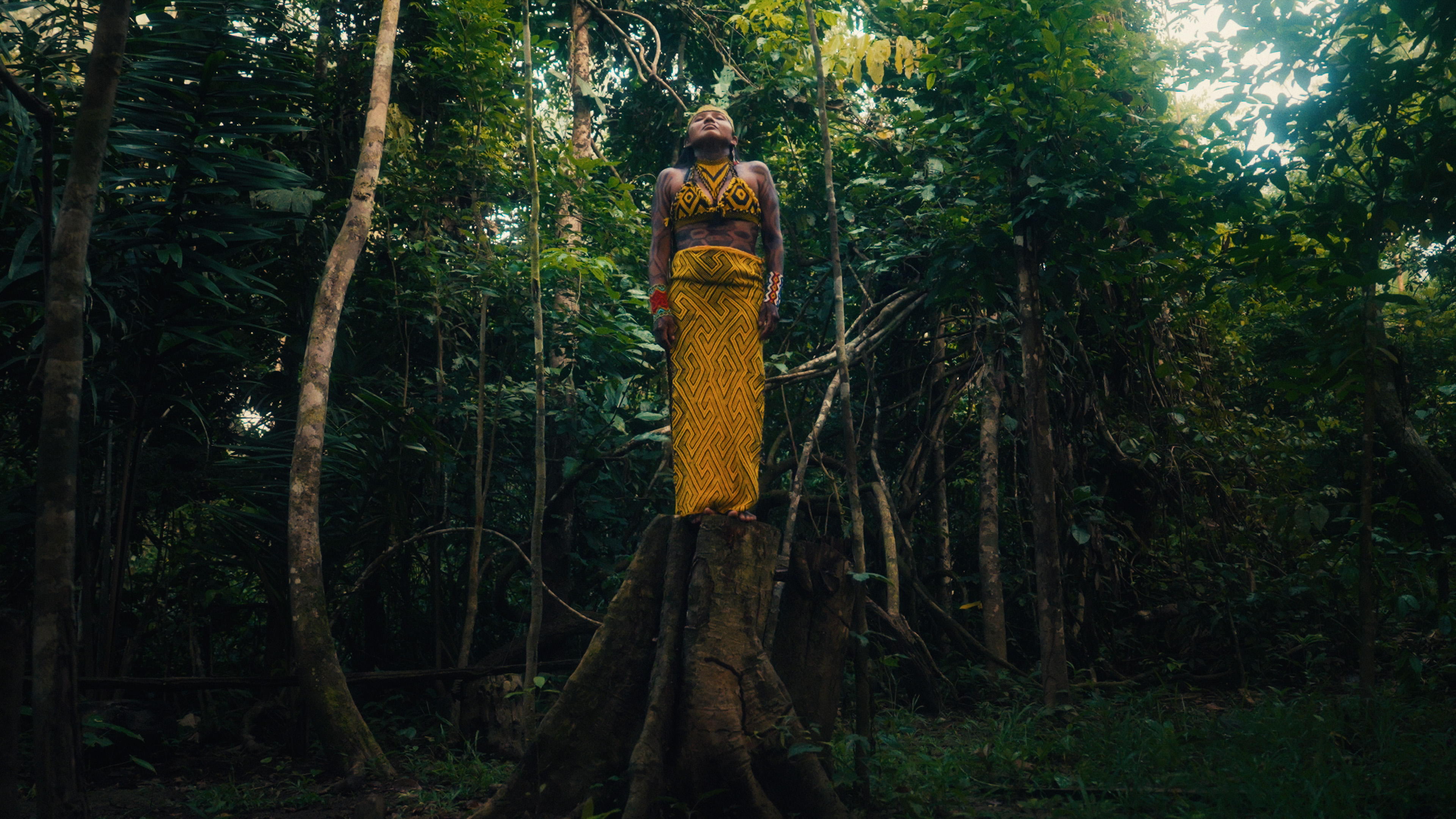
Acre, Brazil · The Amazon
This story begins in the heart of the forest, but it belongs to all of us. Because the future of the Amazon, the future of women, and ultimately our shared future, are inseparably connected.
A feature documentary created in collaboration with the Huni Kuin women.
This story begins in the heart of the forest, but it belongs to all of us. Because the future of the Amazon, the future of women, and ultimately our shared future, are inseparably connected.
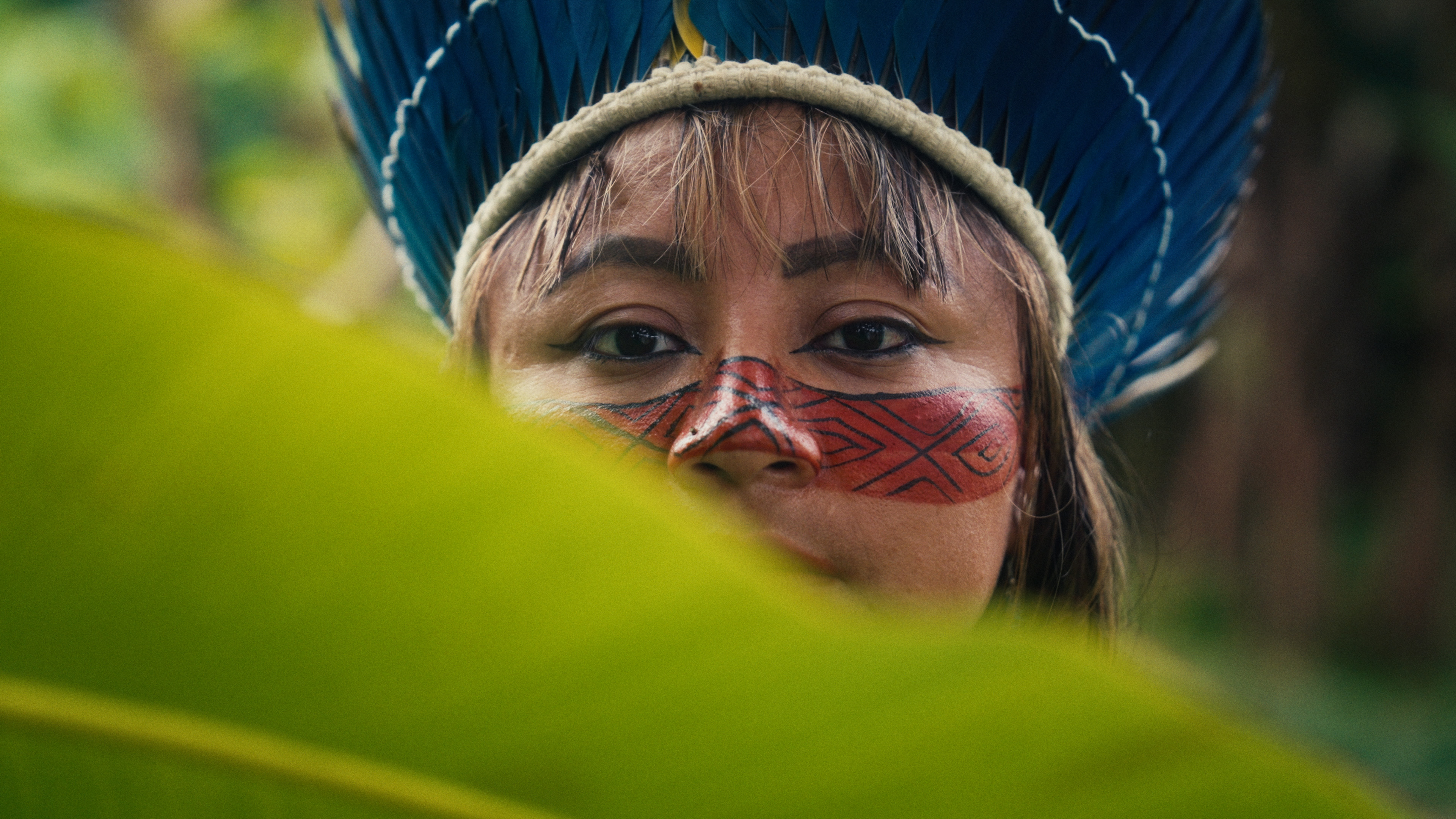
Huni Kuin · Activist, Artist & Secretary, Ainbu Dayá
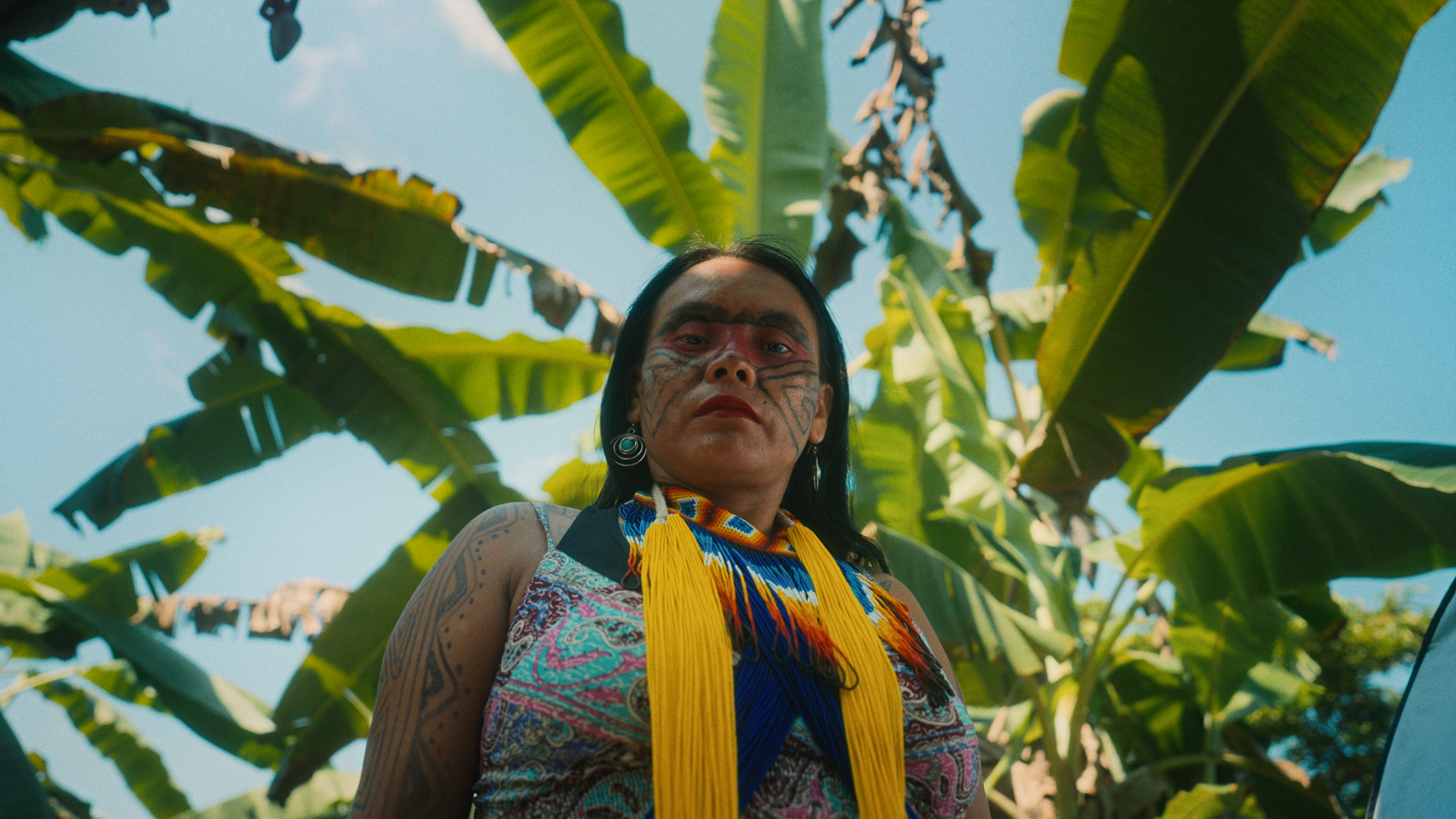
Huni Kuin · Women's Leader & President, Ainbu Dayá
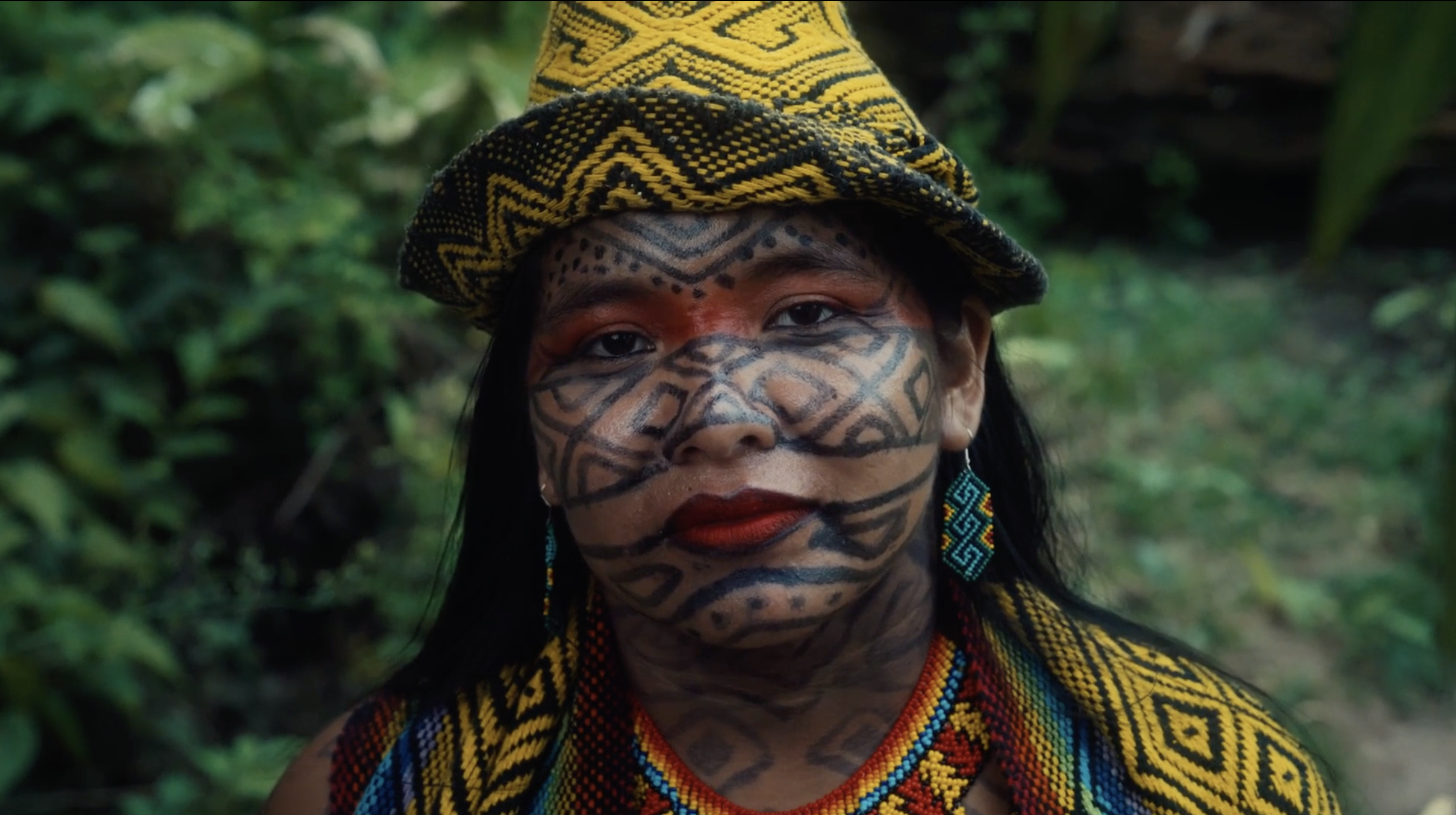
Huni Kuin · Young Leader
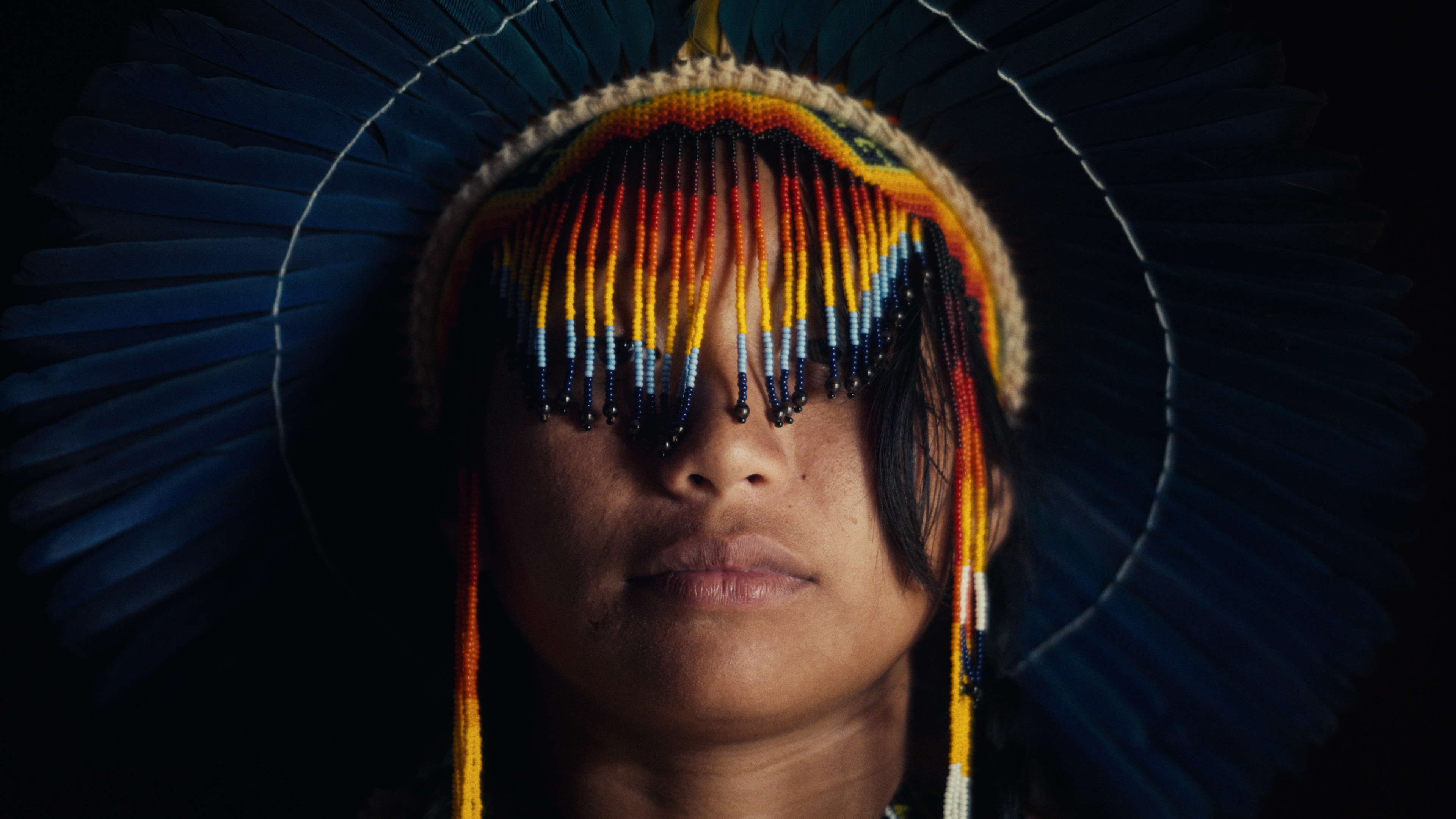
Huni Kuin · Artist · Member, Kaya Tibu & MAHKU
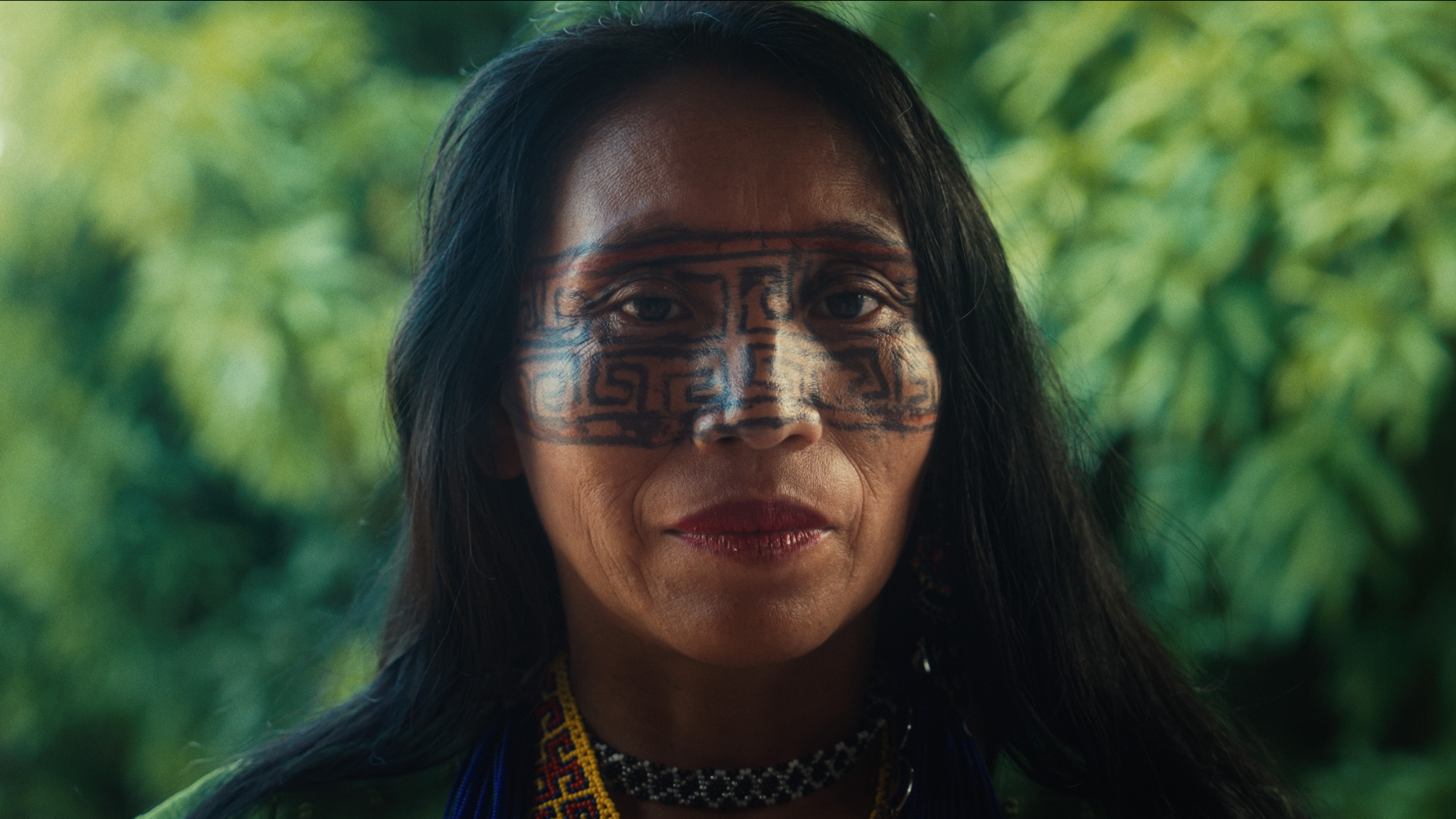
Huni Kuin · Co-Founder, Ainbu Dayá & Artist
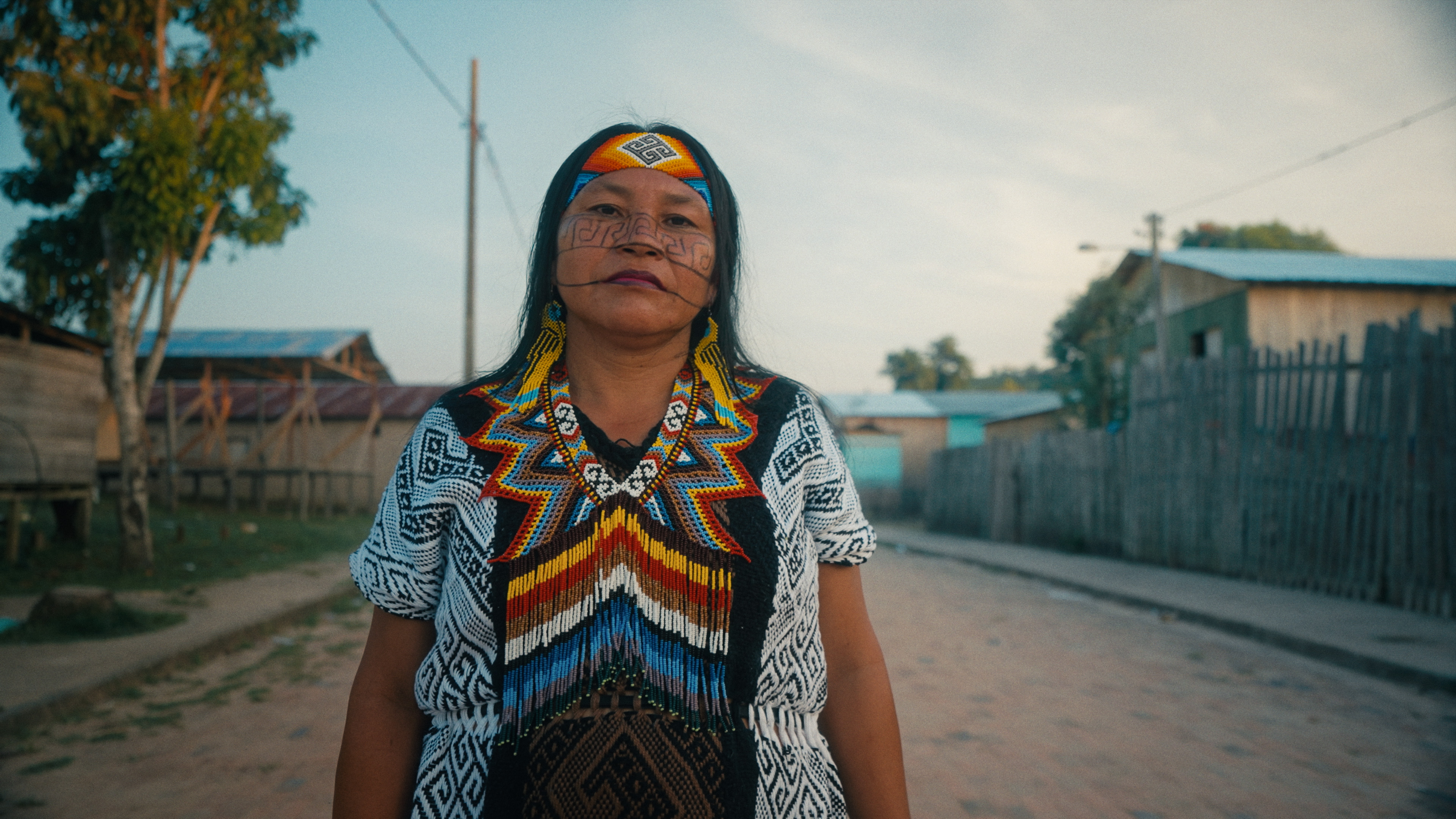
Huni Kuin · Women's Leader & Vice President, Ainbu Dayá
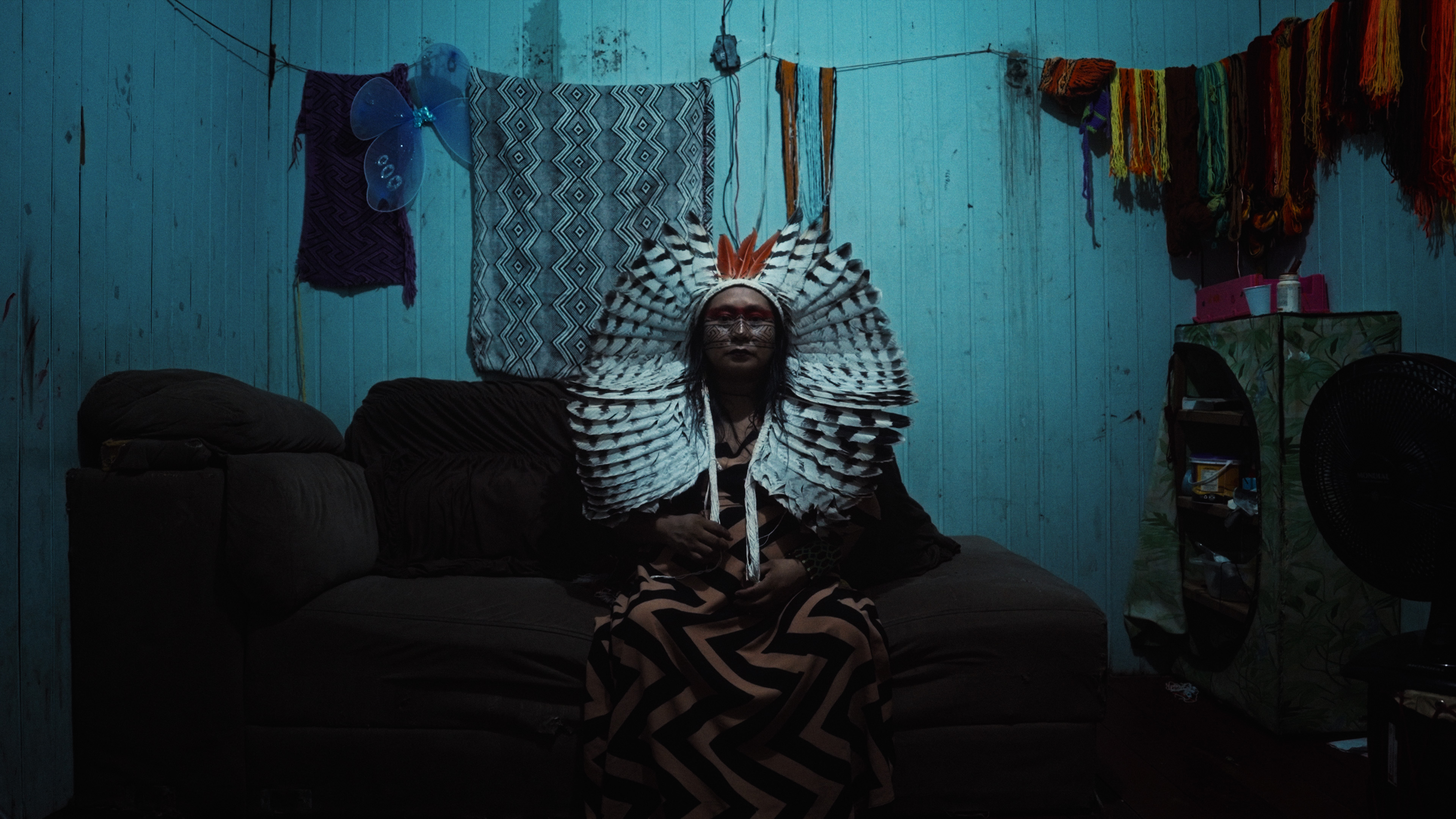
Huni Kuin · Artist
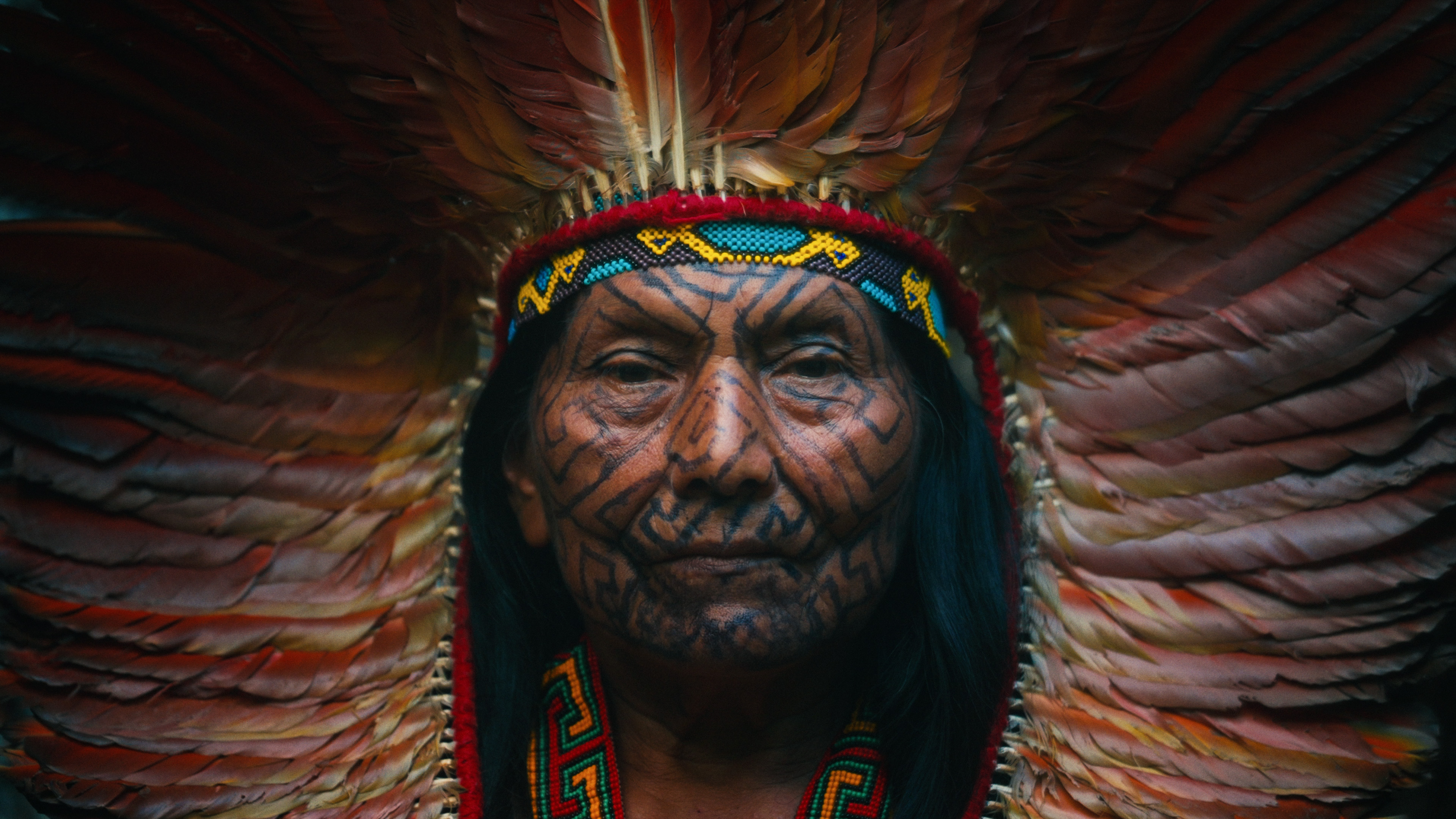
Huni Kuin · Indigenous Leader & Member, Ainbu Dayá
Deep in the Brazilian Amazon, Huni Kuin women confront violence against women while protecting their culture, their rights and the forest they call home, revealing a story that resonates far beyond the Amazon.
Deep in the Brazilian Amazon, Huni Kuin women invite us into their world, sharing a culture shaped by ancestral wisdom. Through intimate conversations and everyday life, we witness their fight against violence against women, inequality, and the destruction of their home, while discovering a philosophy that reminds us we are not separate from nature, but part of it. Rooted in the Amazon, their story speaks to the universal strength of women everywhere.
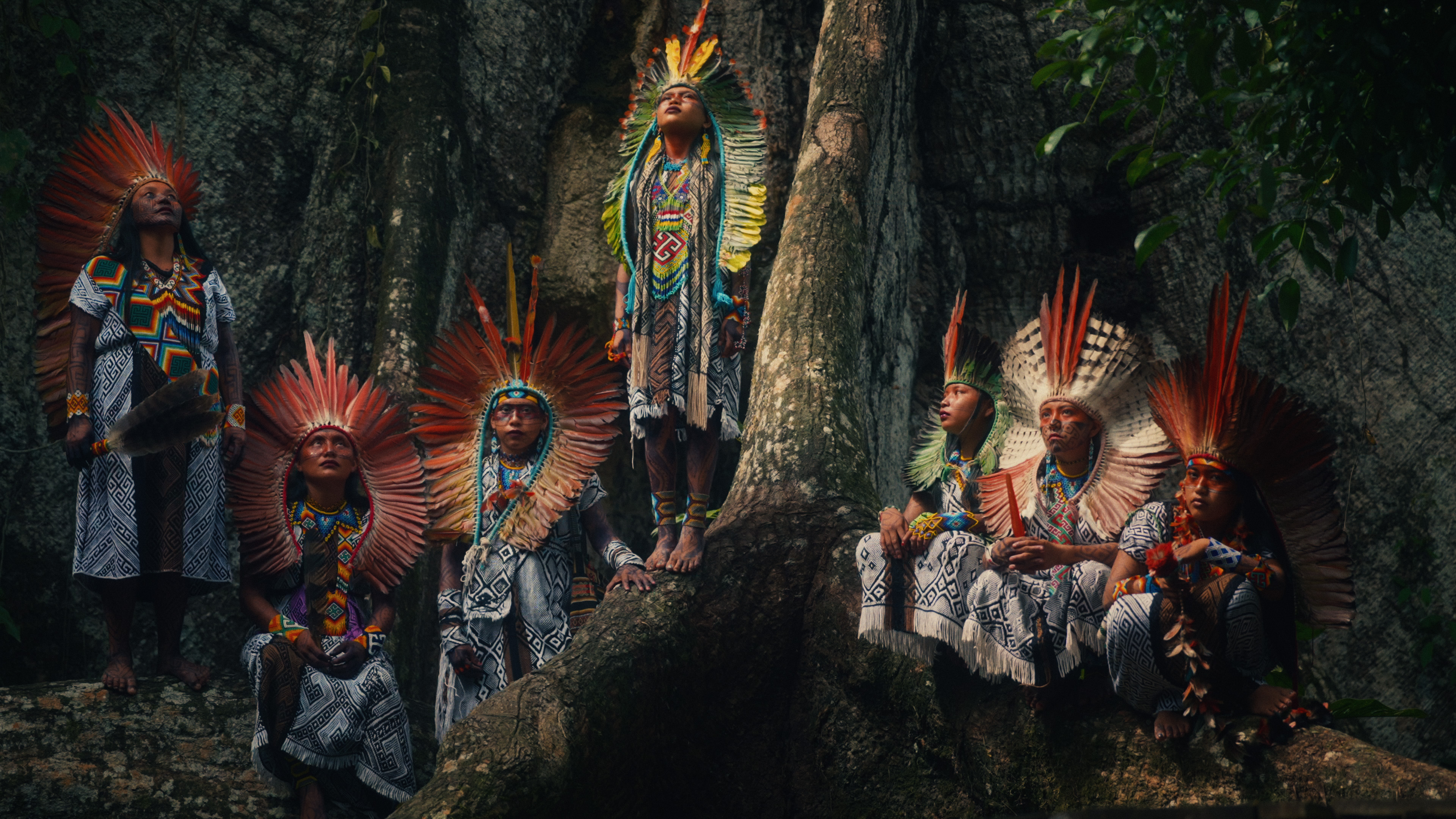
Created in close collaboration with the Huni Kuin women, Daughters of the Earth invites audiences into a world rarely seen from within. Through intimate conversations, ceremonies, songs, and everyday life, the women share not only the challenges they face, including violence against women, racism, and inequality, but also the strength, wisdom, and leadership that continue to shape their communities.
For the Huni Kuin, these struggles cannot be separated. Protecting women, preserving culture, and safeguarding the forest are part of the same responsibility. The forest is not simply where they live. It is their memory, their teacher, and the foundation of who they are.
But this is not a film about victims. It is about leaders. Mothers, artists, healers, and protectors who transform hardship into hope while creating new paths for future generations.
Rooted in the Amazon yet reaching far beyond it, Daughters of the Earth is ultimately a story about the universal strength of women. By listening to the Huni Kuin women, we are invited to see the world through their eyes and, in doing so, reflect on our own.
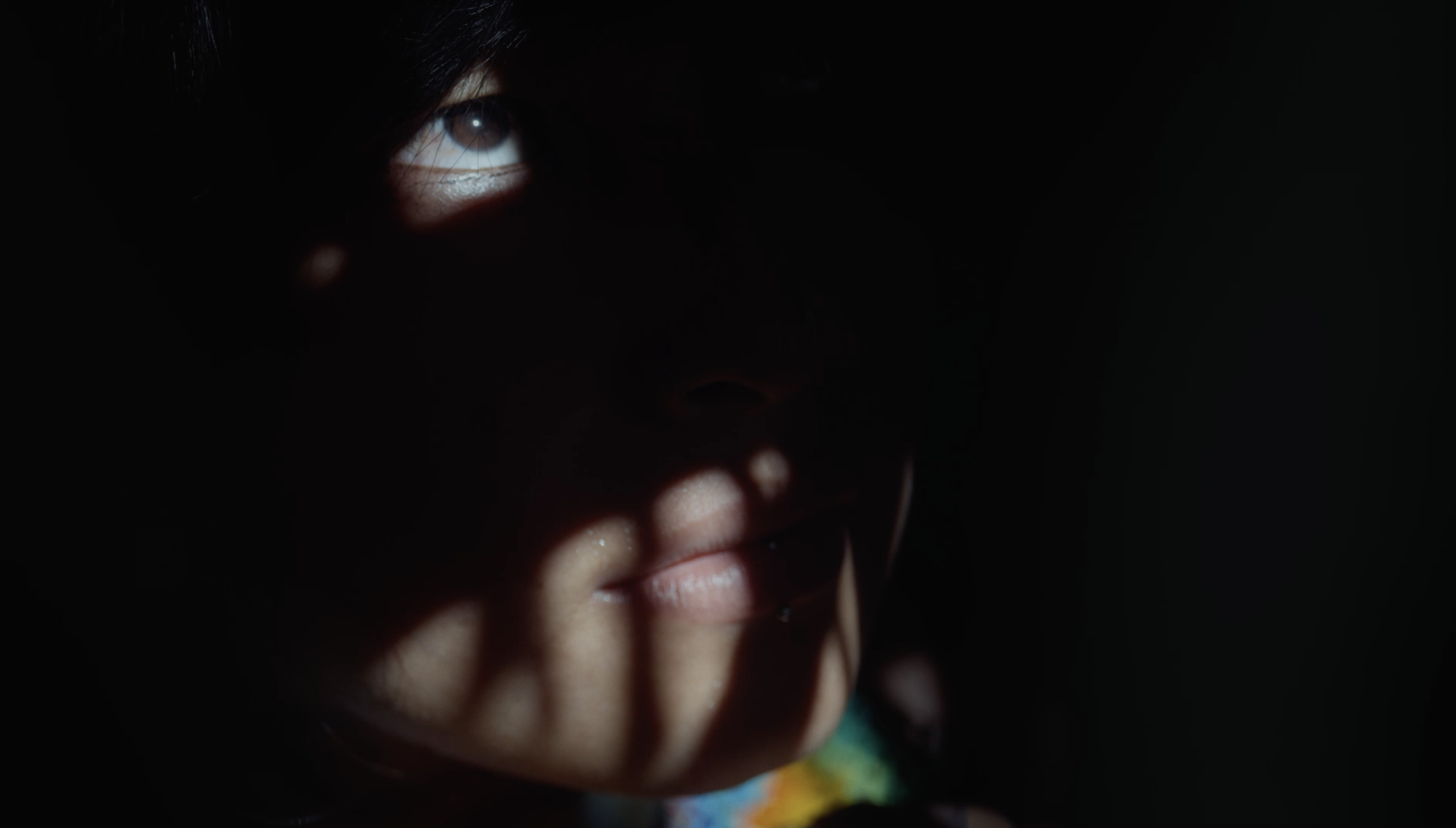
Some stories arrive exactly when they are needed most. At a time of growing violence against women and unprecedented pressure on the Amazon, the perspective of the Huni Kuin women feels more urgent than ever.
Their story is not only one of resistance, but of a way of life shaped by generations of wisdom, community, and coexistence.
It reminds us that the future depends not only on what we protect, but on how we choose to live, with one another and with the natural world.
Perhaps there has never been a more important time to listen.
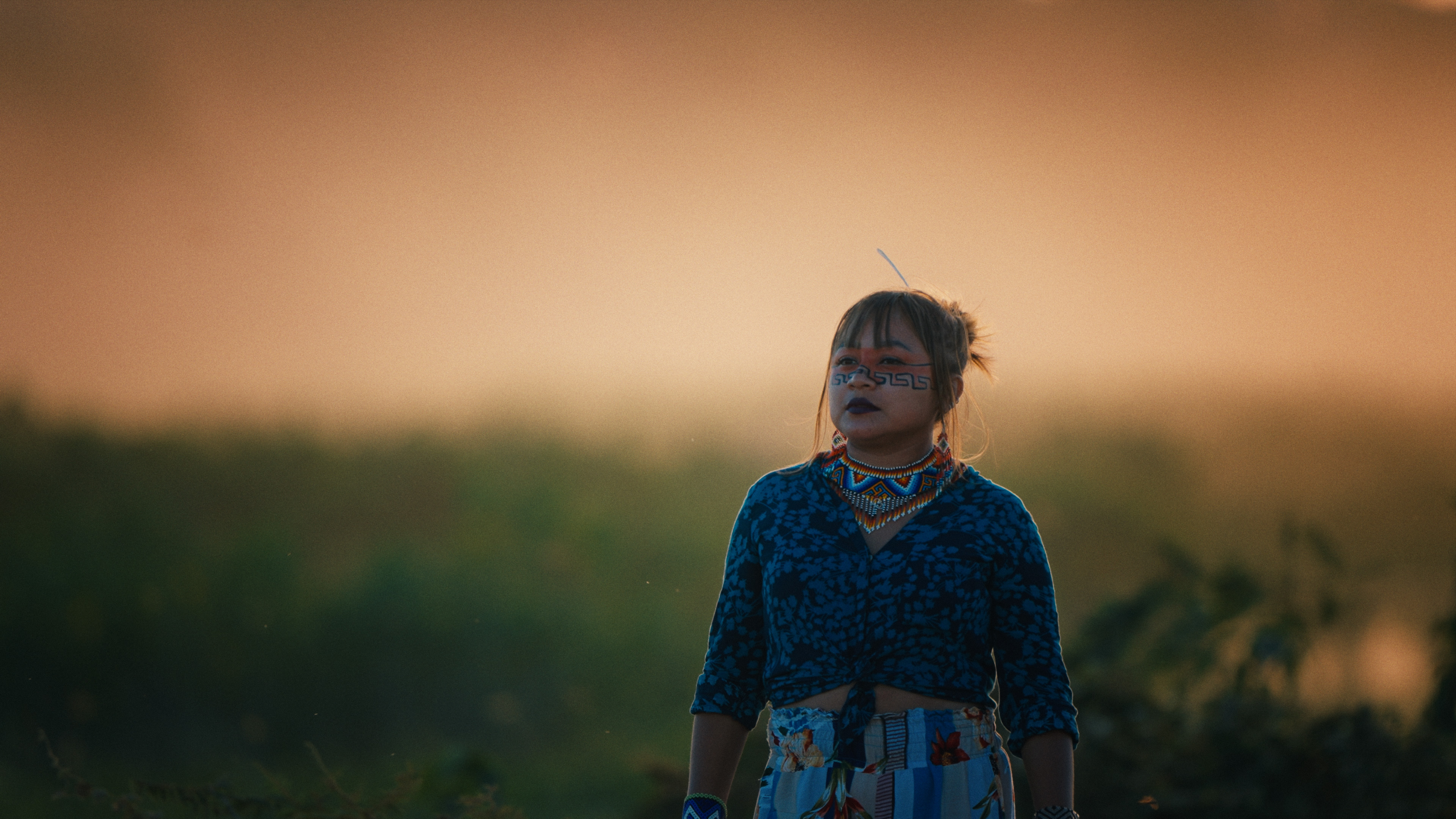
“When we tell our own stories, we reveal who we truly are: women who carry the memory of our ancestors, the strength of the forest, and the responsibility of keeping our culture alive.”
For far too long, our voices were silenced or spoken for by others. By telling our own stories, we show that we are still here, creating, teaching, protecting our land, and shaping the future of our people.
This is an important moment because Huni Kuin women are stepping into spaces that were denied to us for generations. We are speaking for ourselves, our knowledge is being recognized, and our daughters are growing up knowing that their voices matter.
When people truly listen, they discover that we have much more to share than our struggles. We carry knowledge about community, spirituality, caring for the forest, and living together in balance, knowledge that has been passed down through generations.
Although this is the story of the Huni Kuin women, I believe it speaks to women everywhere. Across cultures, women continue to fight for respect, equality, and the right to shape their own futures.
My hope is that this film encourages greater respect for Indigenous peoples and reminds every Huni Kuin girl that she can honor where she comes from while creating new paths for those who come after her.
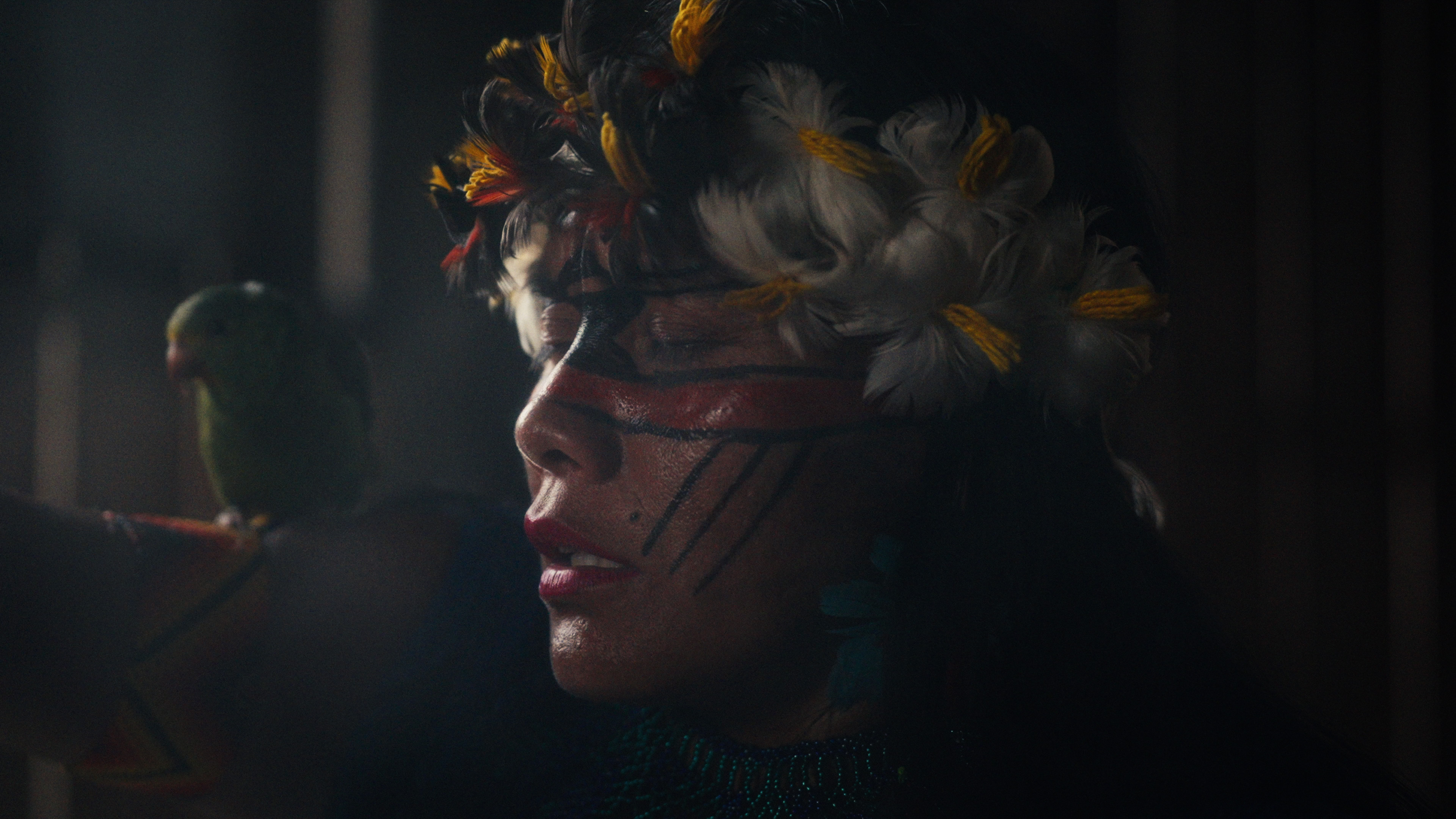
“This is women's time, and this film helps our voices reach people far beyond our communities.”
We are living in an important moment for Huni Kuin women. For generations, many of our voices were not heard, even within our own communities. Today, that is beginning to change.
This is women's time, and this film helps our voices reach people far beyond our communities.
More women are coming together, recognizing their strength, supporting one another, and finding the courage to speak about subjects that were once surrounded by silence.
When I was a girl, I hoped I would not have to marry so young. I wanted to choose the person I loved. Years later, after raising my children, I realized I also had the strength to choose a different future. I decided to live independently, and that decision changed my life.
That experience taught me that when women stand together, we become stronger, not only for ourselves, but for our children, our communities, and the generations that follow.
The forest cannot be separated from our lives. It teaches us how to live in balance, how to care for one another, and how to think beyond ourselves. For us, protecting women, protecting our culture, and protecting the forest are all part of the same journey.
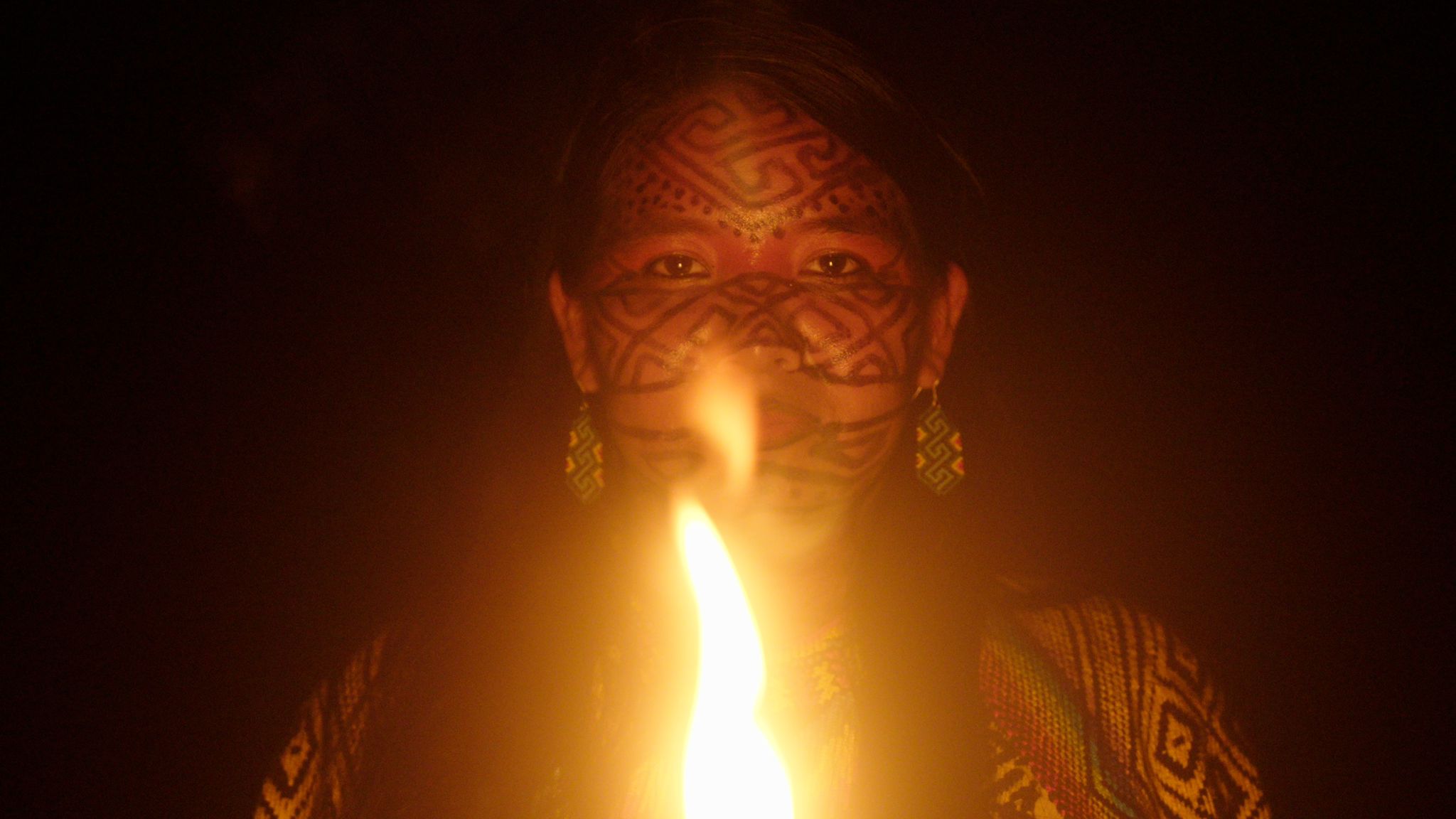
“We want to live and have rights equal to men, and equal to all women in the world. With this project we want to show that women also have rights, also have a voice, also work, and also deserve all the things that other people have.”
“For many, many years we had no opportunity, and we suffered a lot in silence. And nowadays with this project we want to carry this voice to the world, that is our weapon.”
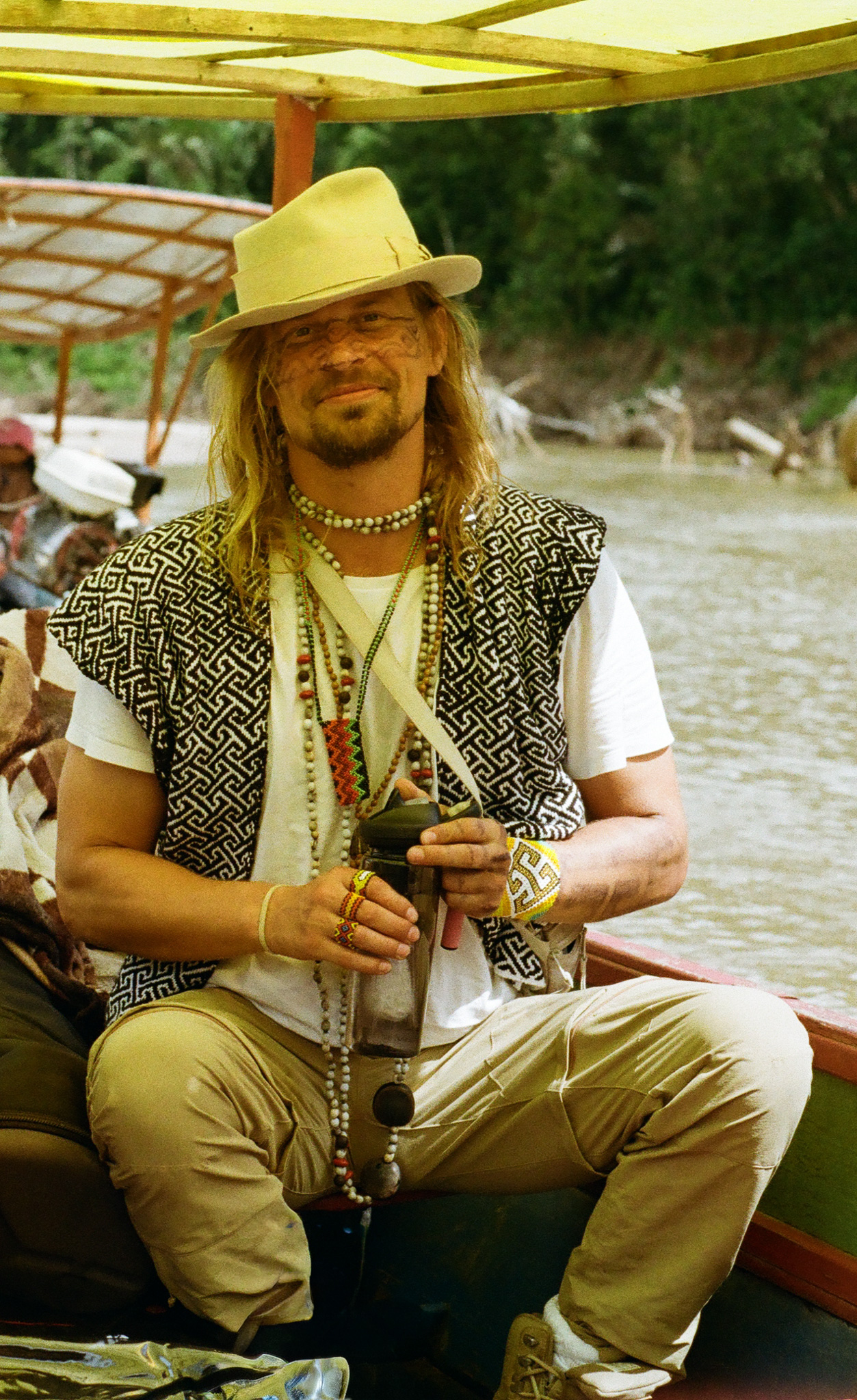
From the very beginning, this was never my story to tell. It was always theirs, brought to life through our collaboration and guided by their perspective.
For as long as I can remember, I have been inspired by Indigenous ways of life. Somehow, I always felt deeply connected to the values they live by, a profound respect for nature, community, and the understanding that we are part of something much larger than ourselves.
For nearly a decade, I dreamed of making a documentary with an Indigenous community. I wanted to use filmmaking to build a bridge between worlds. I have always believed that art knows no borders. It has the power to connect people across cultures, languages and experiences in ways that words alone often cannot. My hope has always been to create films that allow people to feel what I feel, because I believe that when we truly feel something, our perspective begins to change.
That opportunity came in 2023, when I met the Huni Kuin women for the first time. I didn't arrive with a camera or a proposal. My intention was simply to get to know them, to understand their culture, and to see whether we wanted to tell a story together.
We spent two weeks together before any plans for a film were made. We talked, listened, laughed and slowly built a relationship. Those conversations became the foundation of everything that followed. A few months later, I travelled to the Brazilian Amazon, and in 2024 we began filming.
From that moment on, I no longer felt like I was making a film about the Huni Kuin women. I felt we were making it together. Over the following years, Daughters of the Earth evolved through an ongoing collaboration, shaped by the priorities, lived experiences and perspectives of the Huni Kuin women themselves.
Some of the most inspiring people in my own life have always been women. Their resilience, compassion and quiet strength have shaped the way I see the world. It felt natural that this film would focus entirely on women. When I met the Huni Kuin women, I realized this wasn't a story about suffering. It was a story about leadership. I met mothers, artists, healers, protectors and changemakers whose strength is quiet, yet powerful.
Together, we chose to tell the stories they felt needed to be heard: domestic violence, child marriage, racism, inequality, access to clean water, the preservation of their culture, and the protection of the Amazon they call home. For the Huni Kuin women, these are not separate struggles. They are deeply connected.
My hope is that this film carries their voices far beyond the Amazon. Not to provide answers, but to invite audiences to open their hearts and minds, to see the world through a different perspective.
While this is the story of the Huni Kuin women, I believe it speaks to something much larger. It is a story about the strength, resilience and leadership of women everywhere. At a time when women's voices and rights continue to be challenged across the world, I can't imagine a more important moment to listen.
If this film allows audiences to feel even a fraction of what I felt while sitting with these extraordinary women, and inspires us to remember how deeply connected we all are despite our different cultures and backgrounds, then I know we created something meaningful together.
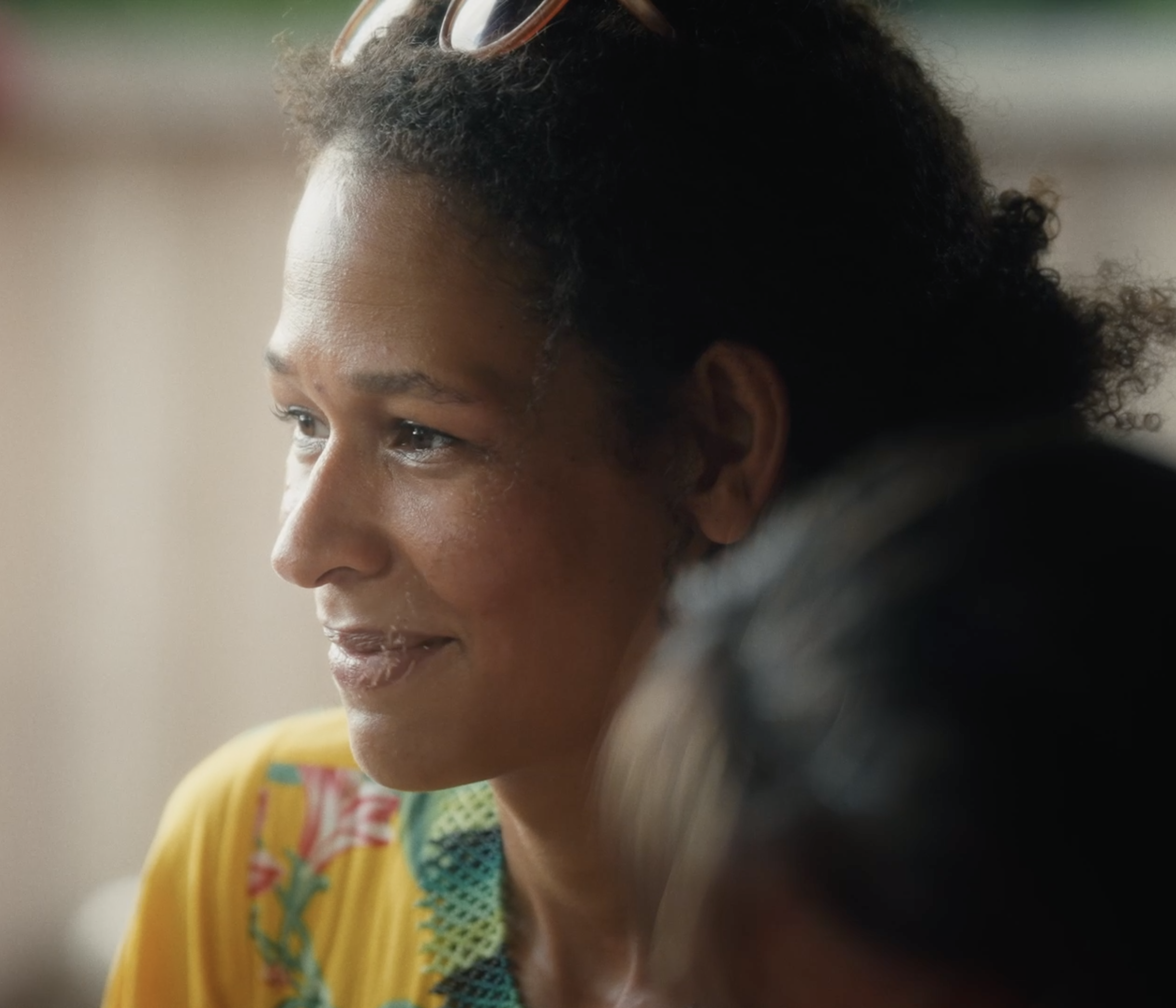
Co-Producer & Participant · Living Gaia e.V. & Ainbu Dayá
“What makes this project so special is that it creates space for Huni Kuin women to tell their own stories, in their own voices. Indigenous women's voices have too often been overlooked or filtered through stereotypes and a Western perspective.
Their experiences are deeply rooted in their culture and territory, yet their struggle to be heard, respected and free connects with women everywhere. By bringing women from different cultures into dialogue, the film becomes a call for solidarity, a reminder that protecting women, Indigenous knowledge and the Earth are all part of protecting our shared future.”
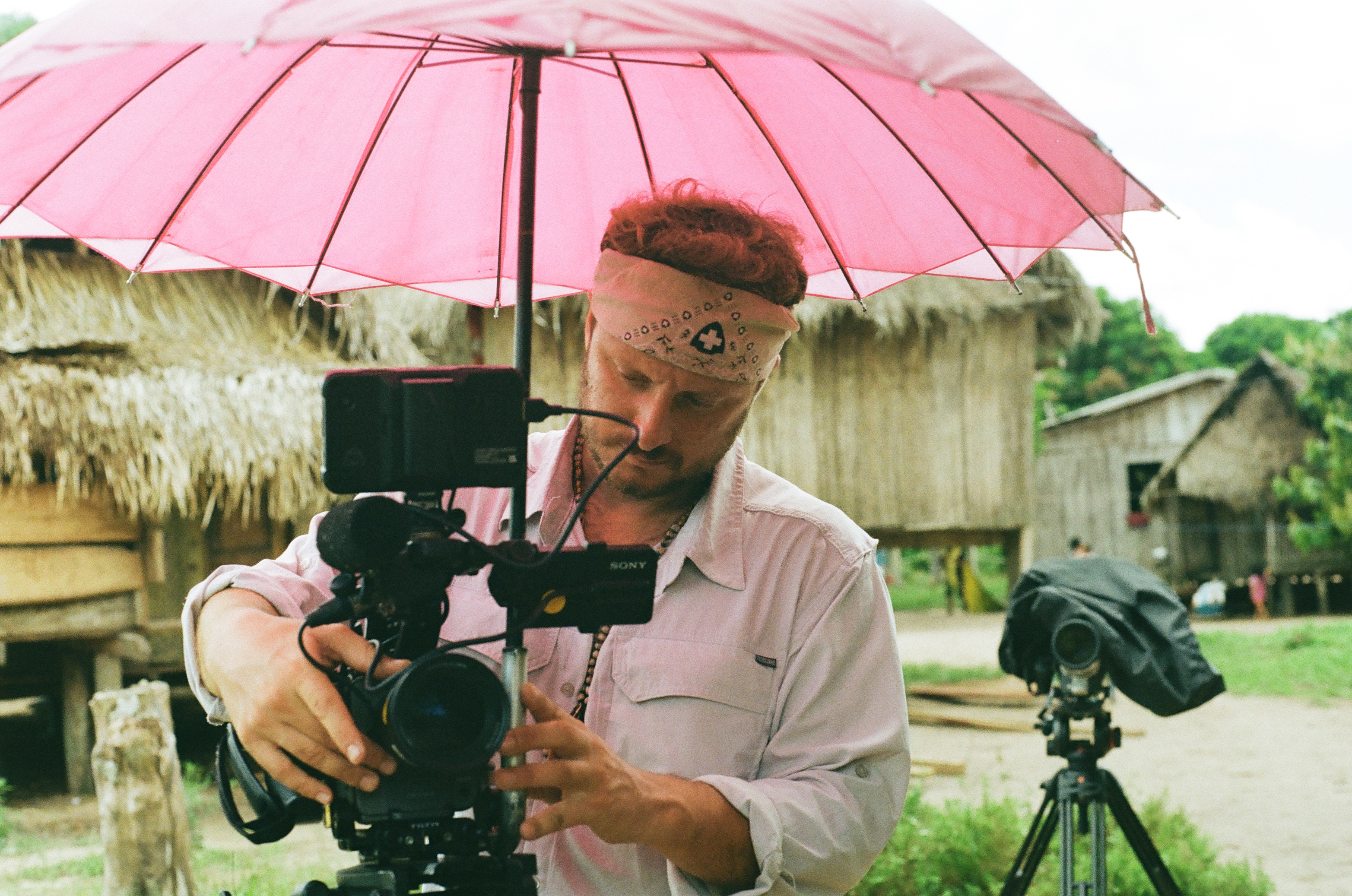
Director of Photography
“For me, every shot became a painting, an attempt to capture not only the beauty of the Amazon, but also its soul.
Our goal wasn't simply to document this extraordinary place, but to create an emotional connection with the women whose lives, wisdom and courage reveal what is truly at stake, and what we stand to lose if we fail to protect the world they call home.
It was one of the most profound cinematography experiences of my career, a journey that changed the way I see nature, storytelling, and the power of cinema.”
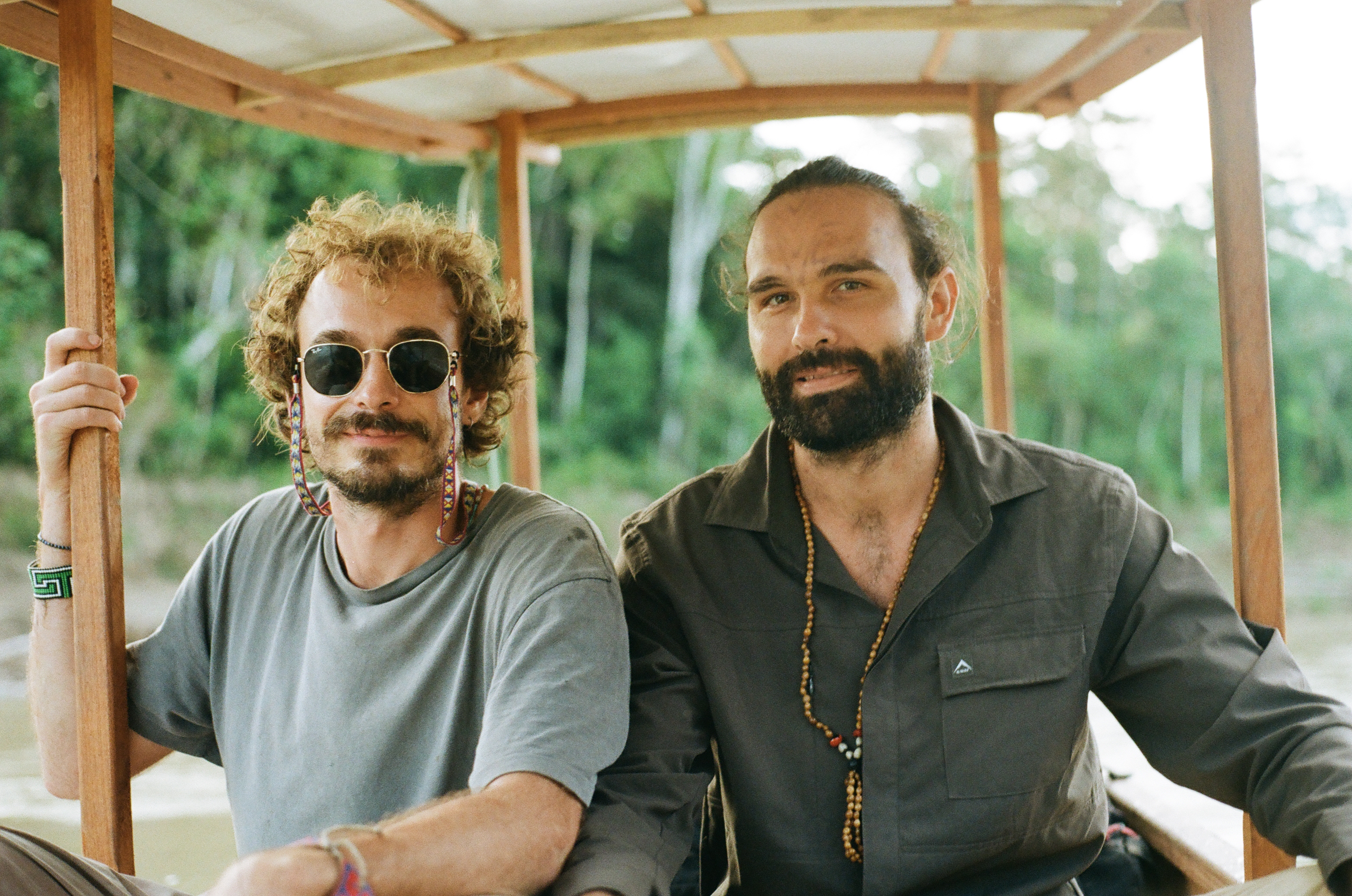
Director of Photography
“This is the project I am most proud of. As an outsider invited into the homes of the Huni Kuin women, I felt deeply honoured by the trust and openness with which they shared their stories.
Visually, we wanted to hold two truths at once: the extraordinary beauty of the forest and the strength of the women who protect it, while never turning away from the difficult realities they face. I hope the film carries their voices beyond the Amazon and inspires greater awareness, respect and action.”
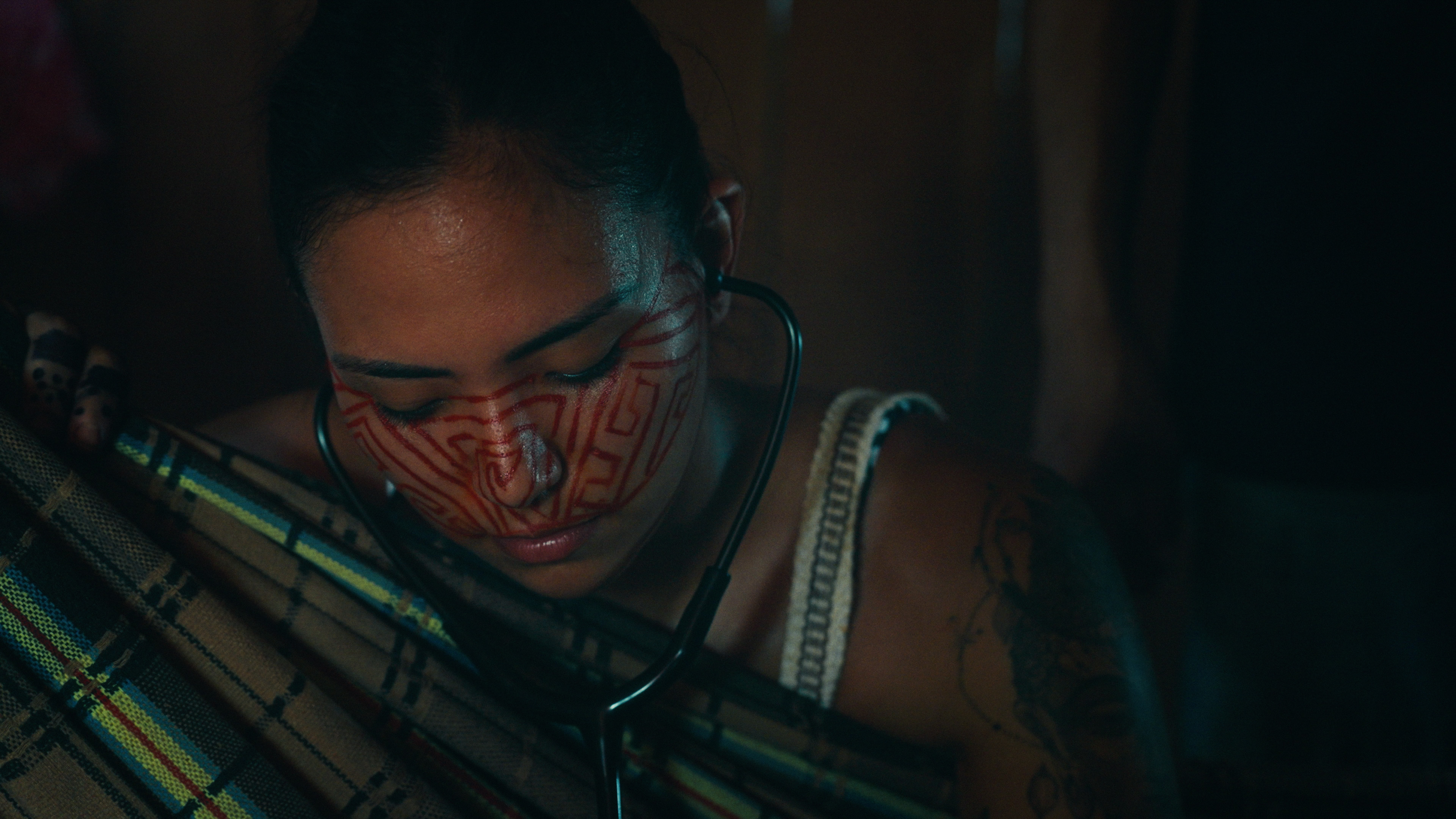
Supporter & Participant
“What I liked most about the documentary was that it showed a reality that I've practically never seen in any film, the reality of the challenges and difficulties faced by Huni Kuin women.
While other films usually only show the good side and this somewhat idealized view of Indigenous life, I liked that it presented a very raw reality.”
“What they are doing to nature, we feel too. Because nature is alive with us.”
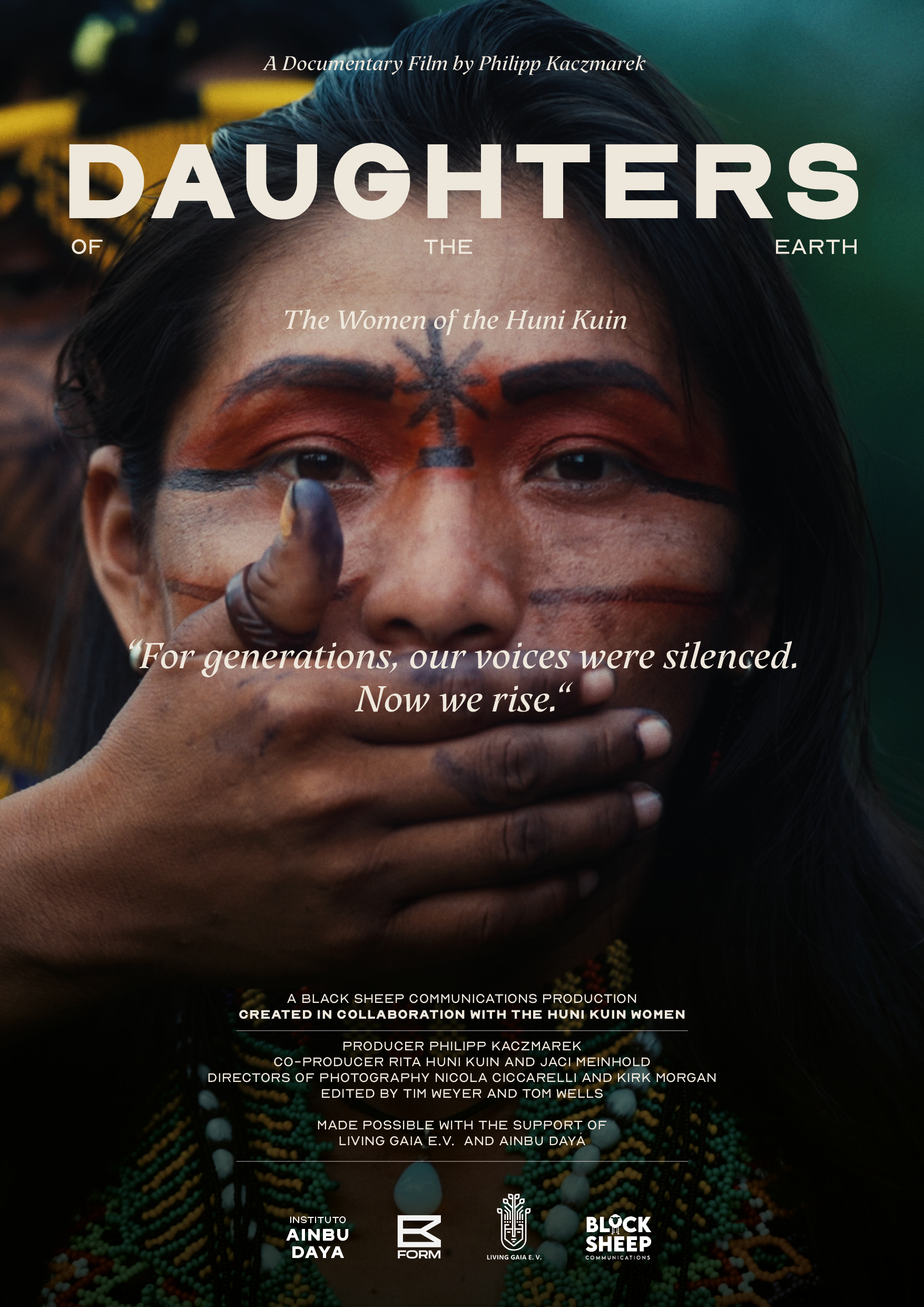
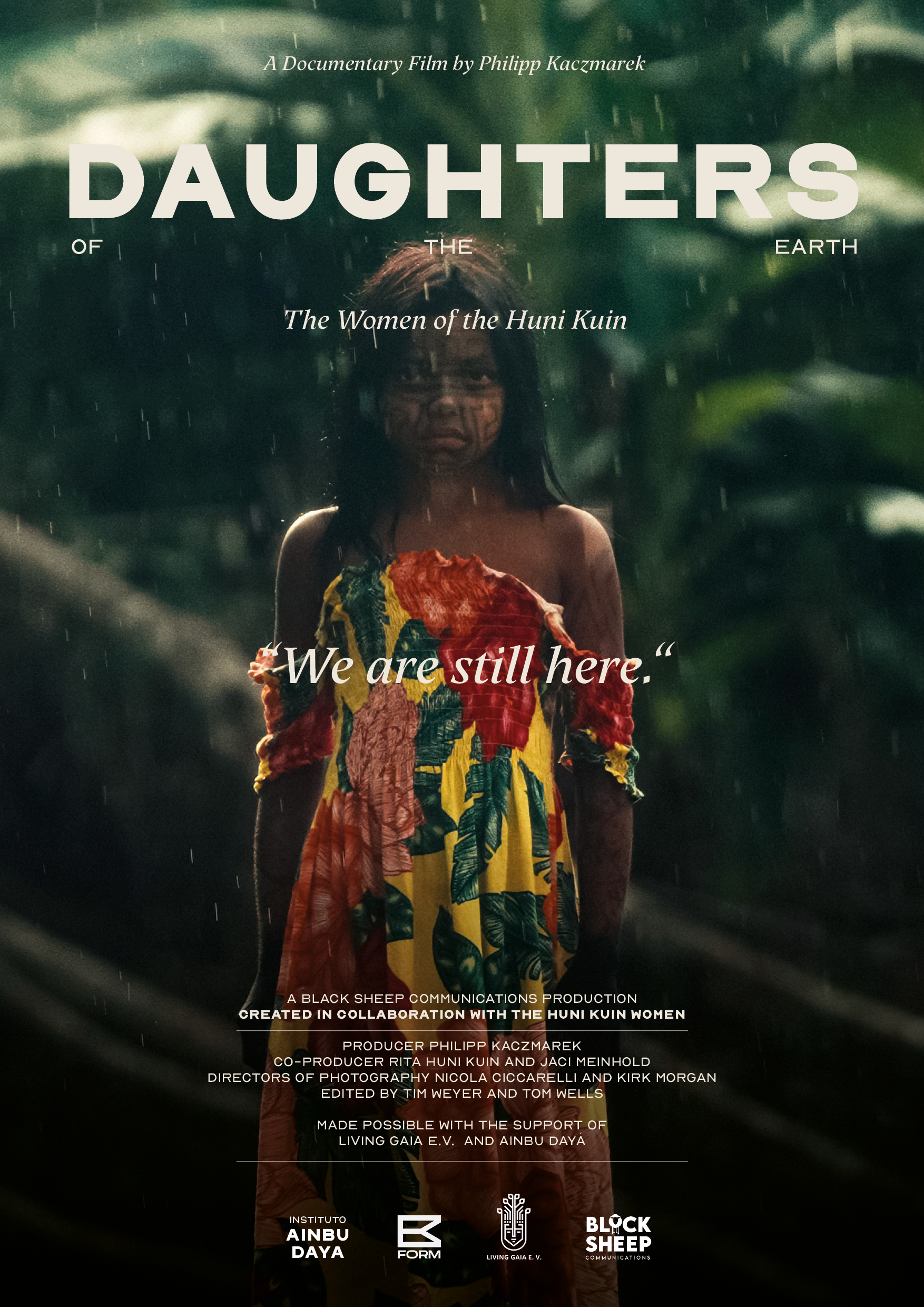
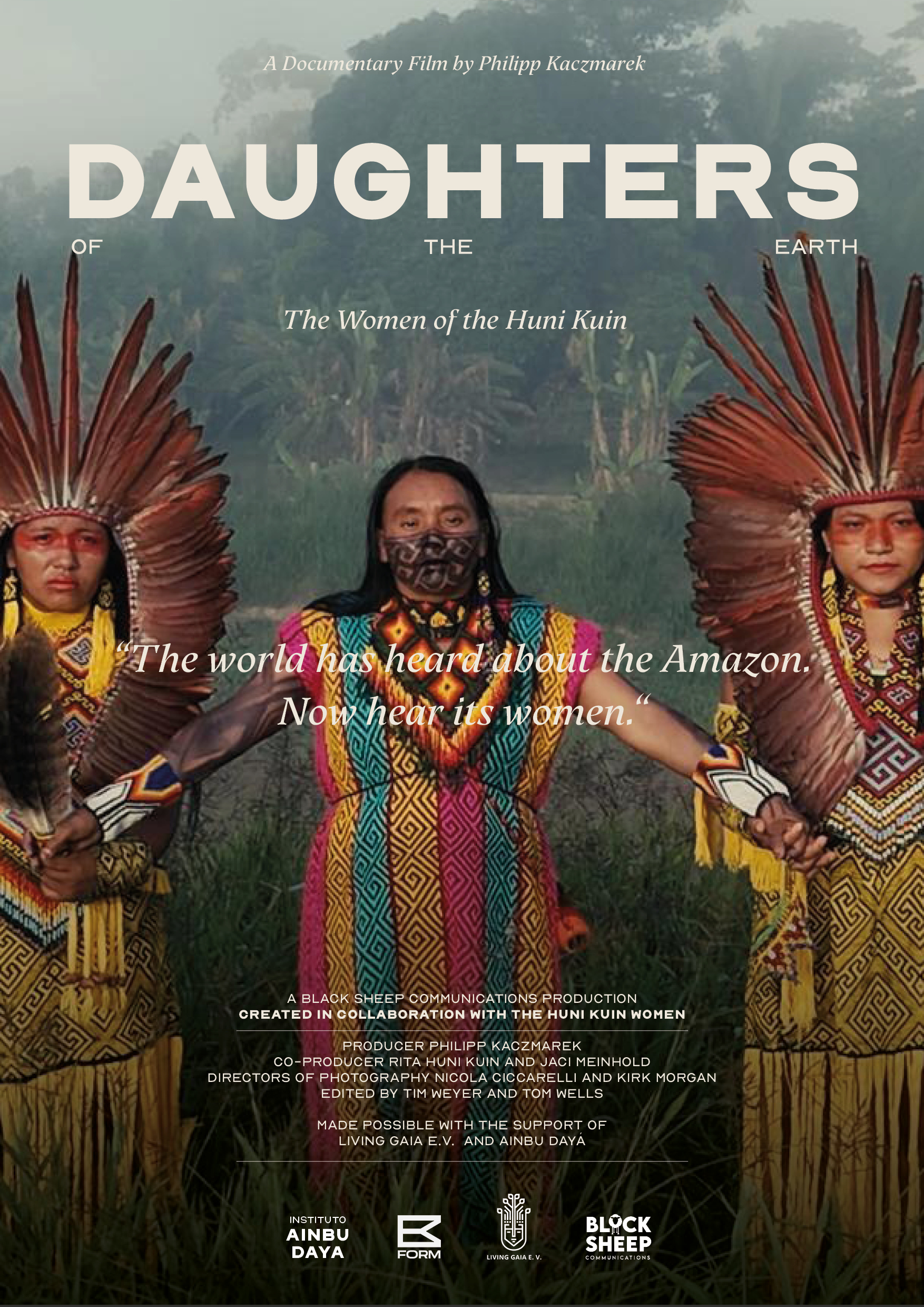
Daughters of the Earth · The Women of the Huni Kuin
“For generations, our voices moved like whispers through the forest.
Now we rise, reclaiming what was always ours. Our rights.”
Stop destroying nature.
Stop killing us.
Made in collaboration with the women of the Huni Kuin.
Daughters of the Earth is a non-profit project for our team. Any net proceeds generated through the film will be reinvested through our project partners, Living Gaia and Ainbu Dayá, to support the Huni Kuin communities' most urgent needs and long-term initiatives, as identified by the women themselves.
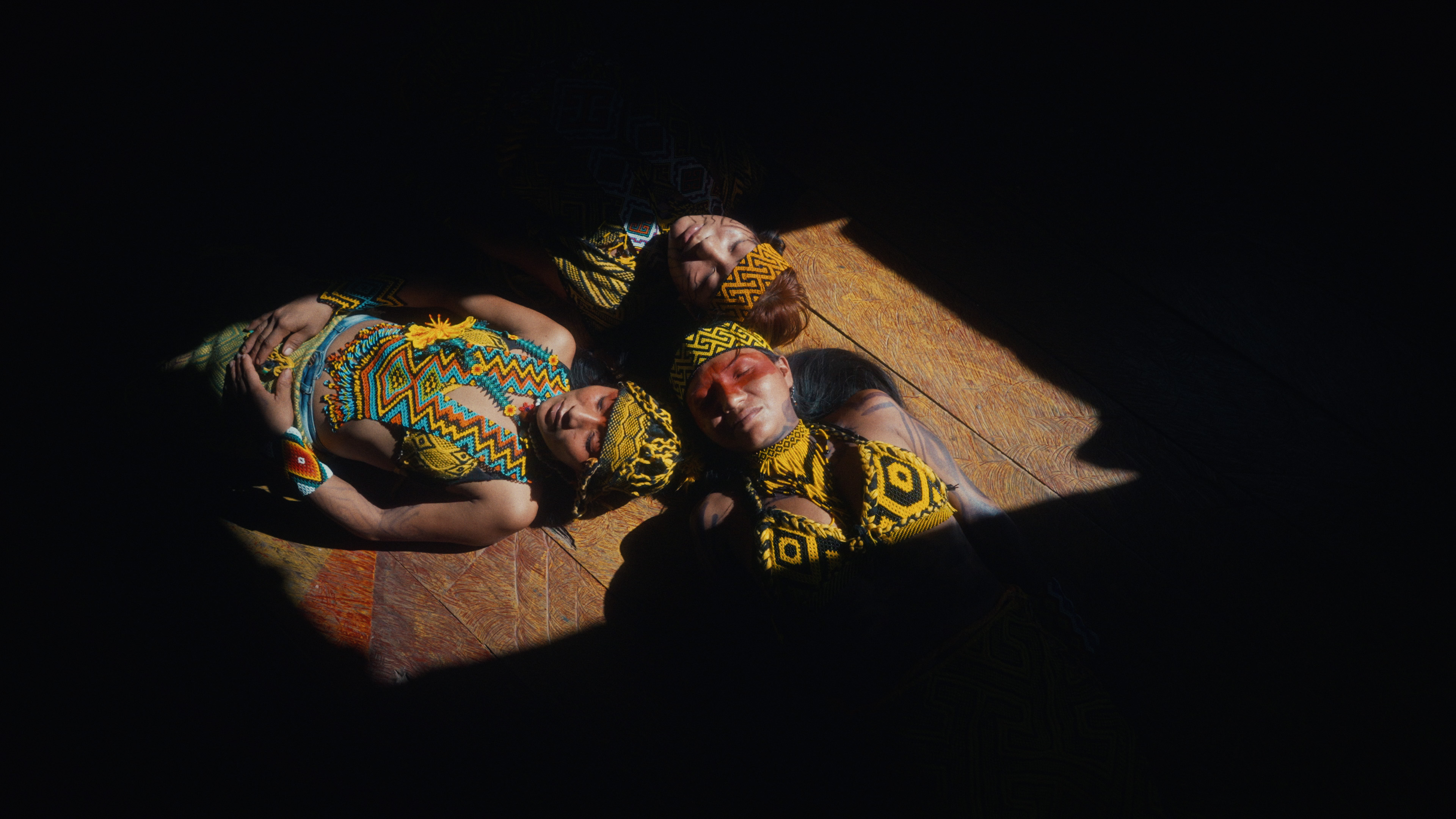
The story doesn't end here. It's only just beginning.
Stand with the Huni Kuin women


With gratitude to everyone who helped bring this story to life.